Ultralight Waterproof Down Sleeping Bag: Warmth & Packing
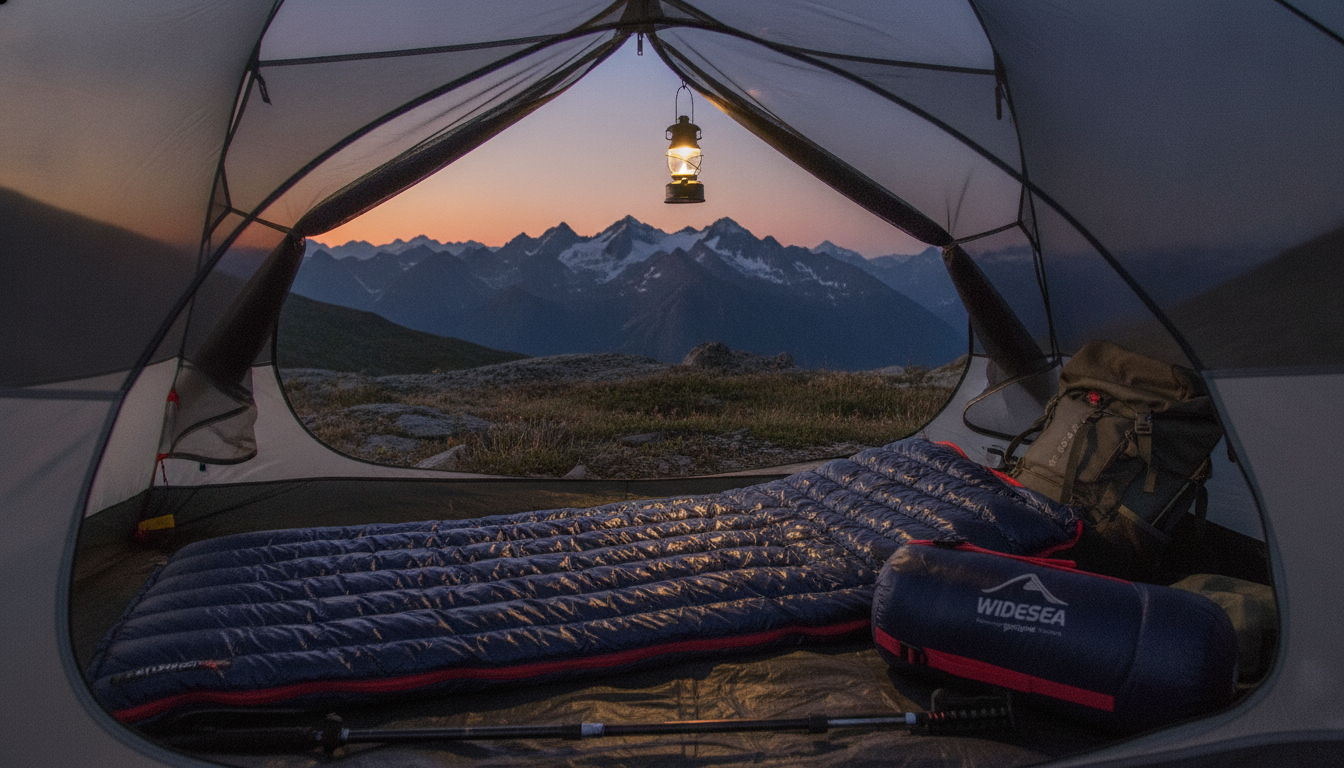
Ultralight Waterproof Down Sleeping Bag for Camping, Hiking & Travel
An ultralight down sleeping bag can be the difference between waking up restored or shivering through the night—especially when weather turns damp. A well-built waterproof (or highly water-resistant) down bag focuses on two priorities that matter most outdoors: maximizing loft for warmth while protecting that loft from moisture. Below is a practical guide to choosing, packing, and using an ultralight waterproof down sleeping bag for backpacking, hiking, and travel-heavy itineraries.
What This Sleeping Bag Is Built For
- Backpacking and hiking where every ounce and every liter of pack space counts.
- Cool-to-cold nights where down insulation delivers excellent warmth-to-weight efficiency.
- Travel and mixed itineraries (campgrounds, huts, car-to-camp) that benefit from fast packing and compact storage.
- Damp conditions where a protective shell and good moisture habits reduce performance loss.
- One-bag simplicity for campers who want a balance of warmth, portability, and everyday usability.
Comfort and Warmth: What to Look For
Warmth is more than a number on a hang tag. Temperature ratings are a starting point, but comfort also depends on drafts, fit, ground insulation, and how well moisture is managed overnight. If you’re comparing bags, it helps to understand that many brands reference standardized testing methods (see ISO 23537), while others use brand-specific estimates.
Key factors that change how warm a bag feels
- Temperature rating: Plan around the lowest realistic nighttime temperatures you expect, then add a buffer if you sleep cold, are fatigued, or anticipate wind exposure.
- Draft control: Heat loss often happens around the neck/shoulders, zipper line, and hood. Better draft sealing can feel like “free warmth.”
- Room to sleep: A bag that’s too tight can compress down (reducing loft). Too roomy can leave excess air to heat. Side sleepers often prefer a touch more room at the shoulders and hips.
- Sleep system pairing: Your sleeping pad matters as much as your bag because it prevents conductive heat loss to the ground. Match the pad’s insulation to the same season you’re planning for.
- Layering strategy: Dry base layers and warm socks can extend comfort. Avoid bulky layers that compress insulation in tight spots.
Quick Warmth Checklist
| Factor | Why it matters | Practical tip |
|---|---|---|
| Draft sealing | Reduces warm air escaping | Tighten hood/neck area just enough to avoid gaps |
| Sleeping pad R-value | Prevents ground cooling | Match pad insulation to the same season as the bag |
| Fit | Too tight compresses insulation; too loose has extra air to heat | Choose a size that allows movement without dead space |
| Dryness | Moisture reduces loft and warmth | Vent when needed and keep the bag away from wet tents/clothes |
Waterproof vs. Water-Resistant: Managing Moisture in the Backcountry
Down is exceptionally efficient when it stays lofted—and notoriously less effective when it’s truly wet. That’s why “waterproof down sleeping bag” usually refers to a protective outer shell (and sometimes treated down) designed to reduce how quickly moisture reaches the insulation.
- Shell protection: A waterproof or highly water-resistant shell helps block splashes, light drips from tent condensation, and brief contact with damp surfaces.
- Down performance: The goal isn’t to invite rain; it’s to keep loft from collapsing when humidity rises or when small amounts of moisture appear.
- Condensation reality: Even a strong shell can’t prevent all internal moisture from respiration and perspiration. Venting and drying breaks still matter.
- Best practice: Use a dry bag or pack liner, isolate wet clothing, and air the bag out during breaks when conditions allow.
- Campsite setup: Minimize contact with wet tent walls and use a groundsheet to reduce splash-back and humidity.
Staying warm is also a safety issue. If conditions are cold and wet, understand the early signs and risks of hypothermia (see NOLS guidance on hypothermia) and prioritize dry insulation and shelter decisions before you’re chilled.
Ultralight Packing and Trail Efficiency
Ultralight doesn’t just mean “lighter on the scale.” It also means faster camp routines, less bulk in transit, and more flexibility when plans change (late arrivals, surprise storms, or swapping from trail to hostel and back).
Care, Cleaning, and Storage
Product Snapshot
- Featured product: Ultralight Waterproof Down Sleeping Bag for Camping, Hiking & Travel
- Price: $145.32 USD
- Availability: In stock
Also in stock
For travelers who like organized gear during road trips or mixed itineraries, consider adding a dedicated carry solution alongside your camp kit: Golf Cart Bag with 14-Way Divider.
FAQ
Can a waterproof down sleeping bag replace a bivy or a tent?
A protective shell helps with splashes and tent condensation, but it’s not a full substitute for shelter in sustained rain, wind, or wet ground conditions. A bivy can add extra splash and draft protection, while a tent (or tarp) is still the primary defense against prolonged weather exposure.
How can down stay warm if the bag gets damp?
Down stays warm when it stays lofted; moisture can reduce loft and insulation. A protective shell and good habits—dry packing, keeping wet clothes away, venting, and airing the bag out—help prevent meaningful loft loss, and a properly insulated sleeping pad protects warmth even if the air feels clammy.
What’s the best way to pack an ultralight down bag for travel days?
Pack it inside a waterproof liner or dry bag, compress only for transit, and unpack early at camp so it can fully re-loft before bedtime. Between trips, store it loosely (not compressed) to preserve long-term loft.








Leave a comment