Monster Resin Storage Tank: Whimsical Decor That Stores
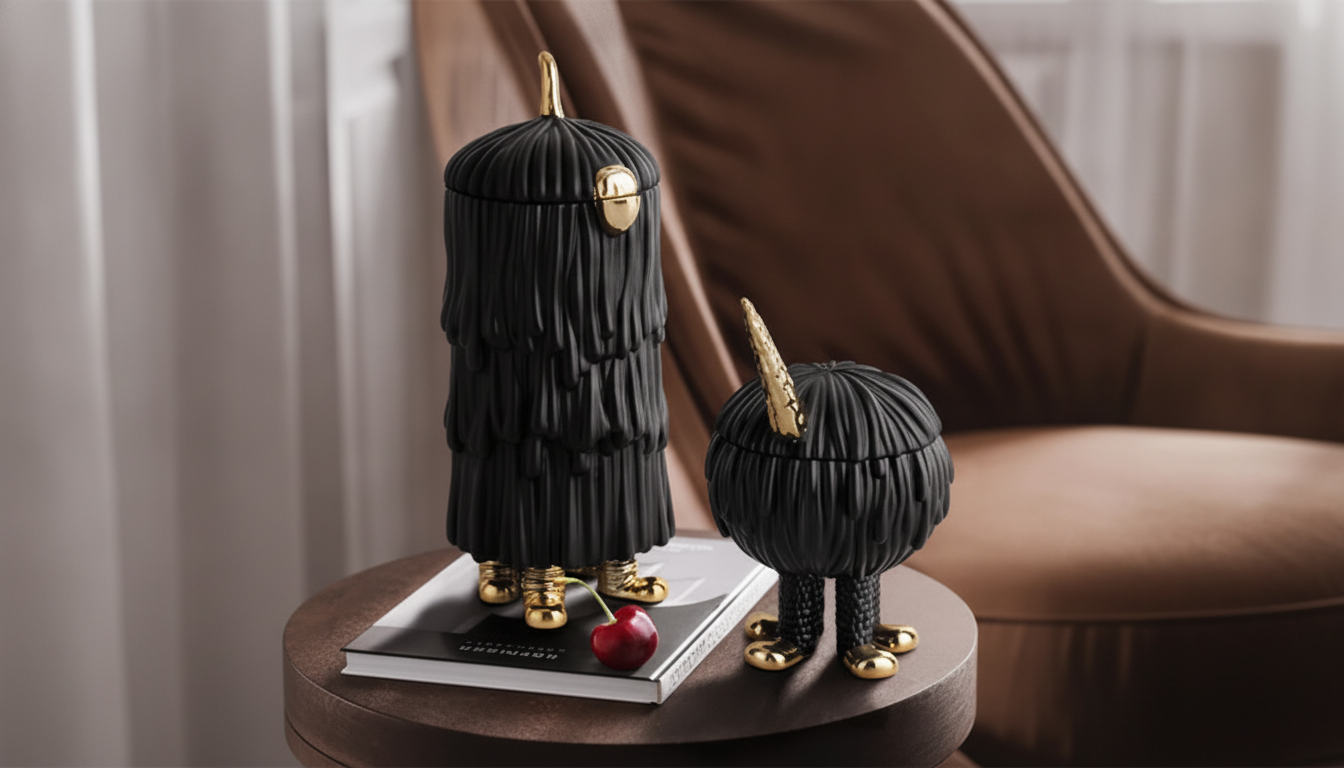
Monster-Shaped Resin Storage Tank: A Storage Piece with Personality
A monster-shaped resin storage tank is the kind of home accent that earns its spot. It brings playful character—big features, bold texture, a silhouette that looks more like a prop than a plain container—while still doing the practical job of hiding everyday clutter. Built from resin for durability and easier handling, it can live comfortably on a patio, in an entryway, beside a garden path, or in an indoor corner that needs both organization and a conversation starter.
What It Is and Where It Fits Best
Think of it as sculptural storage: a decorative “tank” with a monster-inspired form that turns functional organization into part of the décor. Instead of another basic bin, you get a character-driven piece that can anchor a small space visually.
- Decorative storage tank with a monster silhouette for a whimsical, storybook look.
- Works as a focal point outdoors (porch, patio, garden paths) or indoors (mudroom, playroom, themed décor corners).
- Ideal for anyone who wants storage that reads like décor first—more sculpture, less utility tub.
- Pairs naturally with Halloween setups, fantasy-inspired rooms, kids’ areas, and quirky modern interiors.
Design Details to Look For
Monster styling is fun, but the details determine whether it stays fun to live with. Before choosing placement (or what to stash inside), check the construction and access points.
- Resin construction: typically lighter than stone or ceramic while still holding a substantial molded shape.
- Surface texture: eyes, teeth, scales, ridges, or bumps can disguise small scuffs and reduce the “every mark shows” problem.
- Opening and access: confirm how the top/door opens and whether the opening is wide enough for your intended items.
- Base stability: a wider, heavier base helps prevent tipping in breezy outdoor areas or busy indoor walkways.
- Color and finish: matte finishes tend to hide fingerprints; glossy finishes can look bold but may show dust faster.
If you plan to use it indoors, it also helps to think about odor sensitivity and ventilation. For general indoor air quality considerations—especially with new products and finishes—see the EPA overview on VOCs.
Common Uses (Indoor and Outdoor)
The best use is one that matches the opening size and how often you’ll access it. A monster tank can be purely decorative, but it shines when it’s quietly handling small chaos.
- Patio or porch: stash gardening gloves, hand tools, plant ties, small watering attachments, string lights, or seasonal décor.
- Entryway/mudroom: store umbrellas, shoe-care kits, pet leashes, lint rollers, or reusable shopping bags.
- Kids’ spaces: a themed container for toy sets, building blocks, or costume accessories (placed where it won’t be climbed on).
- Party and seasonal styling: use as a prop that also hides extension cords, spare batteries, small speakers, or event supplies.
- Photo backdrop and retail display: adds character to themed vignettes while keeping extras out of sight.
Placement, Capacity, and Measuring Tips
Because the shape is irregular, the “footprint” matters more than the overall height. Measure with painter’s tape on the floor or ground to visualize real-world clearance.
Care, Cleaning, and Weather Considerations
If you store anything that could be considered a chemical product (cleaners, solvents, pool supplies), follow basic safety guidance for handling and storage. OSHA’s overview of chemical hazards and toxic substances is a helpful reference for keeping items properly contained and away from living areas.
Specifications at a Glance
| Feature | Why it matters | What to verify before using |
|---|---|---|
| Material (resin) | Impacts weight, durability, and finish longevity | Keep away from abrasive cleaners; confirm it’s appropriate for outdoor exposure in the chosen location |
| Opening style | Determines what can fit and how easy it is to access | Measure the opening width and the clearance needed to open it fully |
| Footprint and stability | Affects safety and placement options | Place on level ground; avoid narrow ledges and high-traffic pinch points |
| Finish and texture | Affects cleaning effort and how marks show | Check textured areas for dust build-up; use a soft brush for details |
| Intended contents | Prevents damage and keeps stored items clean | Bag/box smaller items; avoid storing wet items long-term without drying |
In-Stock Picks That Pair Well with Themed Spaces
- Gogo 1/6 BJD Doll with Big Head & Dimples — a character piece that looks great in fantasy, whimsical, or collector-style setups.
- 3-Level Modern Cat Tree with Scratching Pad, Cushions, Condo and Toy — a practical add-on for pet-friendly homes where décor and utility need to coexist.
- Golf Cart Bag with 14-Way Divider — a structured organizer for garages and mudrooms when you want “gear storage” to be as tidy as the rest of your space.
FAQ
Can a resin storage tank be kept outdoors year-round?
Usually yes, as long as it sits level and you periodically empty and dry the interior. In extreme freeze conditions or constant harsh sun, covering it or bringing it into a sheltered area can help preserve the finish and reduce wear.
How should it be cleaned without damaging the finish?
Use mild soap and water with a soft cloth; a soft brush can help reach textured crevices. Avoid abrasive pads, strong solvents, and harsh bleach mixtures that can dull or scratch the surface.
What should not be stored inside?
Avoid storing wet or dirty items long-term unless they’re dried first, since moisture can lead to odor and mildew. Don’t store strong chemicals or anything that requires food-safe certification; use liners, bags, or boxes for sensitive items.







Leave a comment