Genuine Leather Crossbody Tote: Work-to-Weekend Satchel
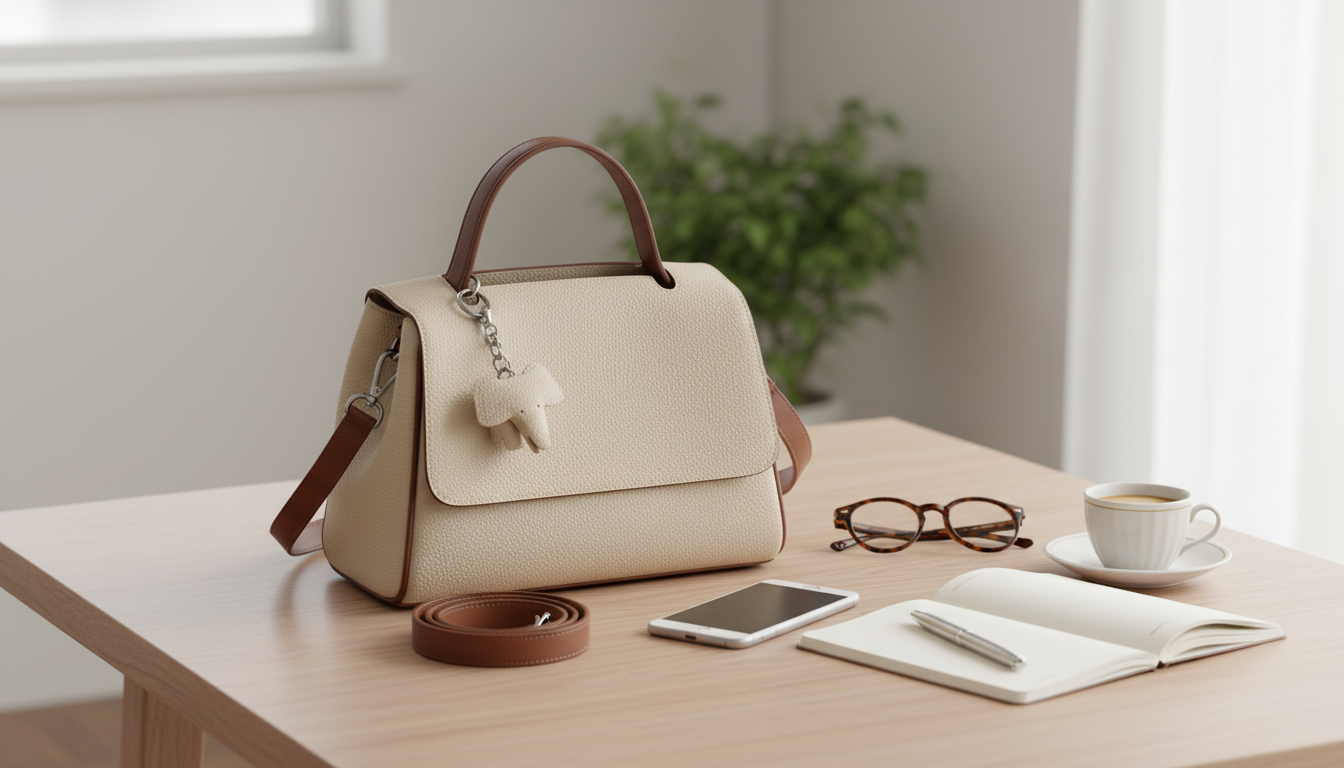
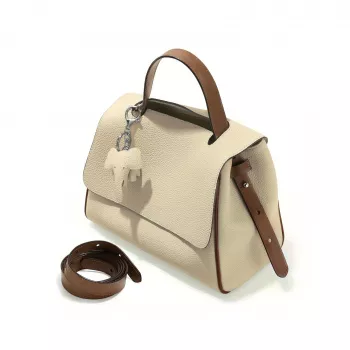
Genuine Leather Crossbody Tote Bag for Women – Versatile Fashion Satchel Purse
A genuine leather bag that works as a crossbody, tote, or satchel can simplify daily carry without sacrificing style. With the right materials, a comfortable strap, and smart organization, one bag can cover workdays, weekends, and travel while still looking polished. Below is a practical guide to what matters most—feel, function, storage, outfit pairing, and long-term care—so it’s easier to choose a bag that fits real life.
At a Glance
- Designed for everyday use with a classic leather look that transitions from casual to polished outfits
- Versatile carry: crossbody for hands-free errands, shoulder/tote for quick access, satchel-style for a structured feel
- A practical choice for commuting, shopping, travel days, and daily essentials
Genuine Leather Feel and Craftsmanship
Genuine leather is often chosen for its substantial hand-feel and the way it wears in over time. Unlike many synthetics, leather can develop a lived-in character—subtle softening, gentle sheen changes, and natural marks that tell a story without looking worn out when properly cared for.
It’s also normal for leather to show variation in grain and tone. Two bags from the same batch may not look perfectly identical, and that’s part of what makes leather feel personal rather than mass-produced. If a bag looks slightly different from photos in small ways, that can be an expected result of natural hide variation.
For durability, pay attention to construction details that matter under daily stress: stitching around strap tabs, reinforced handles, clean edge finishing, and tidy seams at corners. These areas take the most strain when the bag is loaded with essentials, tossed into a car seat, or carried through crowded commutes.
For additional guidance on responsible leather supply chains, the Leather Working Group is a widely recognized industry organization. For straightforward labeling clarity on leather terms, the Federal Trade Commission (FTC) provides consumer guidance on leather and imitation leather product claims.
Carry Options and Comfort
One of the biggest advantages of a crossbody tote-satchel hybrid is that comfort can be customized to the day. Crossbody carry keeps hands free for errands, coffee runs, subway turnstiles, and travel. It also helps keep the bag close to the body, which can feel more secure in busy settings.
Shoulder/tote carry is about speed and accessibility. When moving between meetings or stopping in and out of shops, it’s convenient to swing the bag on the shoulder, reach in quickly, and keep going. Meanwhile, a satchel-style silhouette adds a bit more structure, which can look sharper with workwear and helps the bag feel composed rather than slouchy.
An adjustable strap makes a noticeable difference. A strap that can lengthen to accommodate winter coats (or shorten for lighter summer outfits) helps the bag sit at a comfortable point—often around the hip—so it doesn’t bounce uncomfortably or tug at the shoulder.
Storage and Organization for Daily Essentials
Organization is what turns a good-looking bag into a daily favorite. A thoughtfully designed interior helps separate the items that are always in rotation—phone, keys, wallet, lip balm, earbuds—so nothing ends up buried at the bottom. When small items have a “home,” it reduces rummaging and helps prevent scratches on screens and sunglasses.
A structured silhouette also helps the bag keep its shape even when it isn’t fully packed. That structure can make it easier to find items fast, since the bag doesn’t collapse inward. For commuting and travel, look for secure closures and at least one easy-to-reach pocket for essentials that need quick access.
Everyday carry checklist (what typically fits in a versatile leather crossbody tote)
| Item | Typical fit | Tip for organization |
|---|---|---|
| Phone + keys | Yes | Use a small inner pocket or a key clip to prevent scratches |
| Wallet/card holder | Yes | Keep in a zip pocket for quick access and added security |
| Sunglasses | Often | Store in a soft pouch to protect lenses |
| Small water bottle | Often | Place upright in the main compartment to reduce leaks |
| Notebook or planner | Often | Slide along the back wall for structure |
| Tablet/e-reader | Often | Use a slim sleeve to prevent scuffs |
Outfit Pairing and Versatility
A classic leather bag earns its keep by working across style “modes.” For casual days, it pairs naturally with denim, knits, and sneakers—adding a more elevated finish than canvas or nylon without feeling too formal. When the day leans polished, leather looks right at home with blazers, tailored trousers, and loafers, bringing a clean, classic balance to structured outfits.
Leather Care and Long-Term Use
Shop In-Stock Favorites
- Genuine Leather Crossbody Tote Bag for Women – Versatile Fashion Satchel Purse
- Golf Cart Bag with 14-Way Divider
- 3-Level Modern Cat Tree with Scratching Pad, Cushions, Condo and Toy
FAQ
How can genuine leather be kept looking good over time?
Wipe it gently with a soft, dry cloth after use, and condition occasionally to help prevent dryness (patch-test first). Keep it away from excess moisture and heat, and store it in a cool, dry place to reduce creasing and color fade.
Is a crossbody tote comfortable for long days out?
It can be, especially when the strap is adjusted so the bag sits near hip level and heavier items are kept close to the body. If the load gets heavy, switching between crossbody and shoulder carry helps reduce fatigue.
What should be carried in a leather satchel-style tote to avoid damage?
Avoid unprotected sharp items and use pouches for cosmetics, pens, or anything that could leak or stain. Keep liquids sealed and resist overloading to protect seams and help the bag maintain its shape.









Leave a comment