Compact 3-Level Cat Tree with Condo, Cushions & Pad
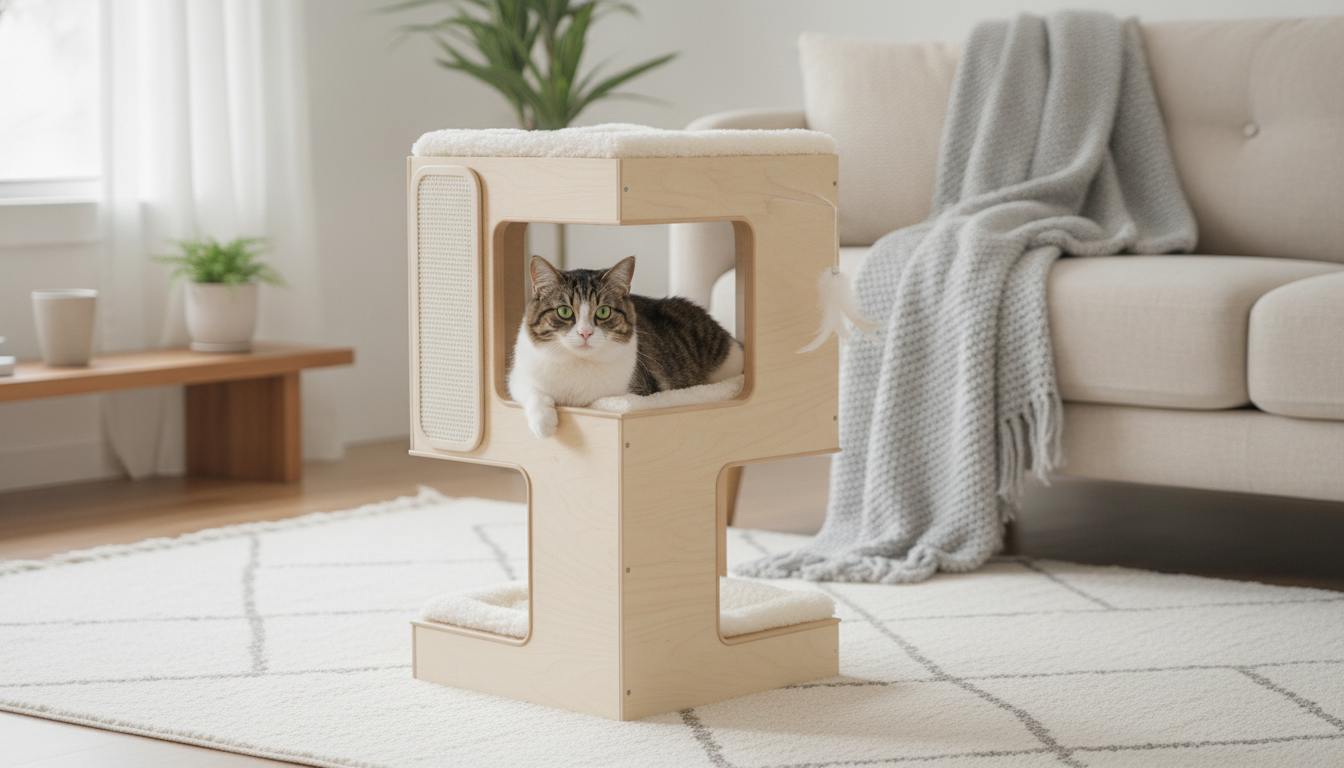
3-Level Modern Cat Tree with Scratching Pad, Cushions, Condo and Toy
A compact cat tower can add climbing space, a private hideaway, and a dedicated scratching zone without taking over the room. The 3-Level Modern Cat Tree with Scratching Pad, Cushions, Condo and Toy blends a clean, modern footprint with everyday enrichment features—lounging cushions for naps, an enclosed condo for privacy, a scratching pad to redirect claws, and a dangling toy for quick play breaks. For indoor cats, that mix supports healthy routines: climb, scratch, rest, repeat.
What this cat tree adds to a home
- Creates vertical space for climbing and perching, which can help indoor cats feel more secure and engaged.
- Offers separate “zones” for different moods: open lounging areas, a covered condo for hiding, and an interactive toy for bursts of play.
- Provides a designated scratching surface to redirect clawing away from rugs and furniture.
- Fits well in apartments and smaller rooms while still giving multiple levels to explore.
Scratching and climbing aren’t “extra” behaviors for cats—they’re core needs. If those needs aren’t met with appropriate outlets, cats often improvise with whatever is available (like sofa corners). The ASPCA explains why scratching is a normal, necessary behavior and how providing the right surfaces can help at home: ASPCA — Scratching Behavior in Cats.
Key features at a glance
- 3-tier layout supports simple climb-up movement and varied vantage points.
- Scratching pad area encourages appropriate scratching behavior and helps with claw maintenance.
- Cushioned resting spots add comfort for naps and lounging.
- Enclosed condo gives a quieter, darker retreat for cats that prefer hiding or decompression time.
- Attached toy supports solo play and quick engagement throughout the day.
Feature guide: how each part gets used
| Component | What it’s for | Why it matters | Good fit for |
|---|---|---|---|
| Top & mid platforms (3-level design) | Perching, climbing, surveying | Adds vertical territory; supports confidence-building exploration | Curious cats; homes with limited floor space |
| Scratching pad | Scratching and stretching | Helps protect furniture and supports natural claw behavior | Cats that scratch carpets/sofas |
| Cushions | Comfortable resting | Encourages cats to choose the tree for naps instead of chairs/beds | Cats that lounge often; older cats that like softer surfaces |
| Condo (enclosed hideaway) | Privacy and decompression | Supports stress reduction and gives a predictable safe spot | Shy cats; multi-pet homes |
| Hanging toy | Interactive batting and pouncing | Adds enrichment and can reduce boredom-based behaviors | Playful cats; solo-play households |
Choosing the right spot in the room
- Place near a window if possible to add visual stimulation (birds, outdoor activity) while the cat rests on a platform.
- Keep at least one side close to a wall or corner for extra stability and a more secure feel.
- Avoid blocking high-traffic paths; cats prefer calm routes to their resting spots.
- If the goal is to reduce furniture scratching, position the tree near the current “problem” scratching area first, then gradually move if needed.
If your cat tends to “patrol” the room, a perch with a sightline can become a favorite hangout. International Cat Care notes that environmental enrichment—like adding climbable vertical space and predictable resting areas—supports wellbeing for indoor cats: International Cat Care — Environmental Enrichment for Cats.
Helping a cat actually use it
- Start with familiar scents: place a small blanket or cloth that smells like the cat on one cushion for a few days.
- Use positive reinforcement: reward when the cat investigates, climbs, or scratches the pad (small treats or praise).
- Boost the scratching appeal: rub a small amount of catnip or a silvervine blend on the scratching area if the cat responds to it.
- Make the condo inviting: place a soft mat inside and keep the entrance facing a quieter direction.
Some cats “claim” a new tower instantly; others need repetition. A simple routine helps: encourage one behavior at a time (first sniffing, then paws on the platform, then scratching), and keep rewards small but consistent so the tree becomes the obvious place to go.
Comfort, durability, and everyday care
- Vacuum platforms and the condo entrance regularly to reduce hair buildup and dander.
- Spot-clean cushions as needed; use a pet-safe fabric cleaner and allow thorough drying before use.
- Check high-contact points (scratching pad and edges) periodically and remove loose fibers to prevent chewing hazards.
- Tighten any accessible fasteners during routine cleaning to keep the structure steady over time.
For busy households, a quick weekly pass (vacuum + wipe) keeps the lounging areas more inviting—especially if your cat prefers the upper platforms for naps and you want those spots to stay fresh.
Safety and stability tips
Who this 3-level setup suits best
Shop in-stock picks
- 3-Level Modern Cat Tree with Scratching Pad, Cushions, Condo and Toy — a compact, multi-zone setup for climbing, scratching, lounging, and hiding.
- Genuine Leather Mixed Color Loafers for Women – Square Toe Slip-On Heels — a stylish in-stock option if you’re browsing beyond pet essentials.
FAQ
How do you get a cat to use a new cat tree instead of the couch?
Place the tree right next to the current scratching spot, sprinkle a little catnip (if your cat likes it) on the scratching pad, and reward any interaction. Once your cat reliably scratches the pad, slowly move the tree toward your preferred location over several days.
Where should a cat tree be placed for the most use?
A quiet corner with at least one side near a wall tends to feel secure, and a nearby window often boosts interest with outdoor views. If you’re trying to change scratching habits, start by placing it near the current “problem” area.
How often should a cat tree be cleaned and checked for safety?
Do light cleaning weekly (vacuum or wipe down), spot-clean cushions when needed, and check stability/fasteners every couple of weeks or after intense play. Replace or trim any loose fibers so they don’t become a chewing hazard.









Leave a comment