3x3m Waterproof Camping Tarp Gazebo for Shade & Rain
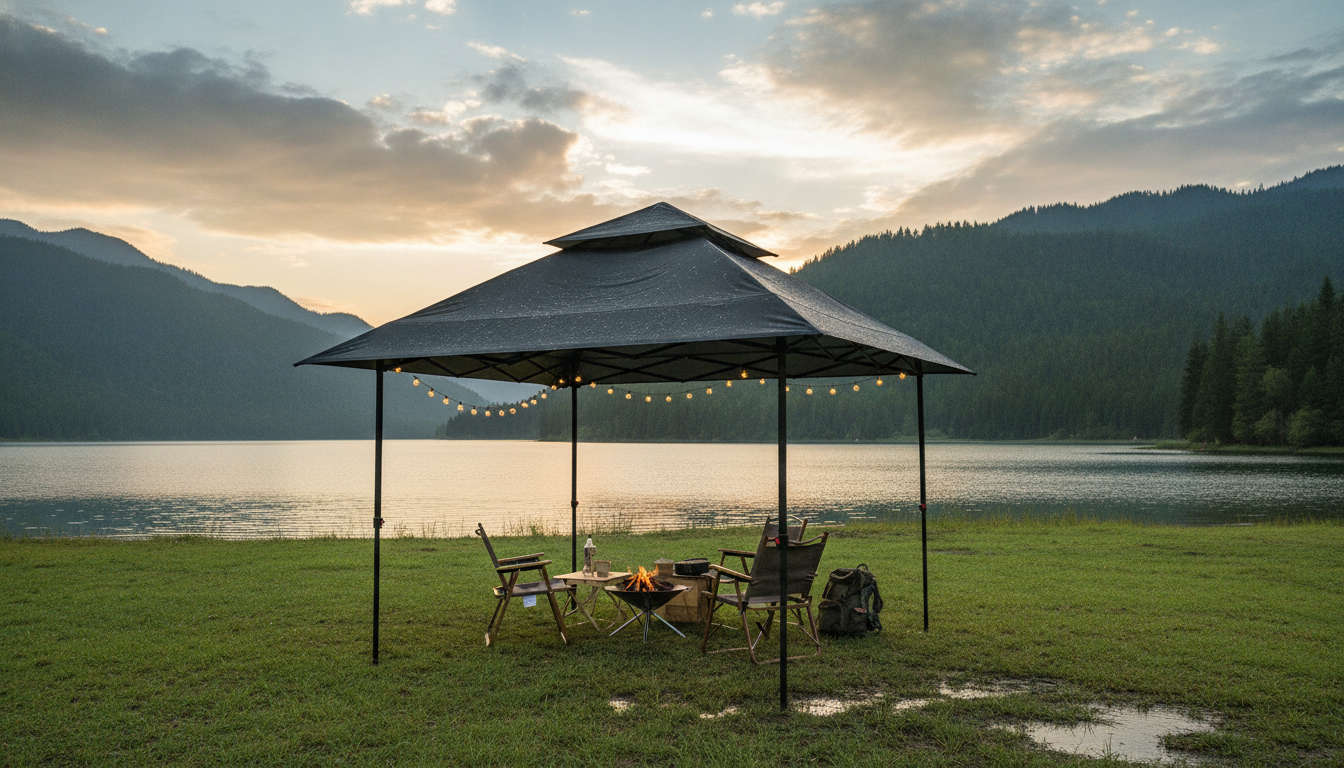
Outdoor 3x3m Sunshade Gazebo Awning Parasol for Camping: Waterproof Tarp Shelter for Shade and Rain
A versatile 3x3m waterproof tarp shelter can turn an exposed campsite into a comfortable base—blocking harsh sun, shedding sudden rain, and creating a defined space for cooking, relaxing, and gear storage. With the right pitch and a few stability habits, a gazebo-style tarp can feel almost “built-in” to your site while staying lighter and more adaptable than rigid canopies.
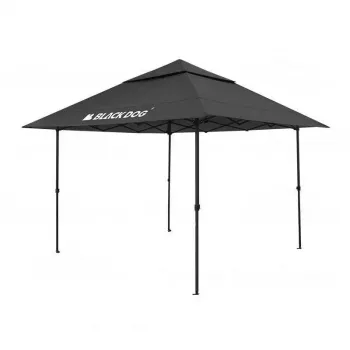
If you’re outfitting a new camp setup or upgrading a day-trip shelter, the Outdoor 3x3m Sunshade Gazebo Awning Parasol for Camping, Waterproof Tarp is designed for quick coverage and practical weather protection. For outings that blend outdoor time with organized gear (like tournaments or tailgates), pairing it with structured storage like the Golf Cart Bag with 14-Way Divider can help keep essentials tidy under your shaded “base.”
What a 3x3m waterproof sunshade tarp does best
- Creates fast shade over seating, cooking areas, picnic tables, or tent entrances to reduce heat and glare.
- Acts as a rain awning to keep a dry “transition zone” for boots, coolers, and packs.
- Improves airflow compared with enclosed canopies when pitched as a high A-frame or open lean-to.
- Supports multi-pitch setups (awning, diamond fly, flat roof) depending on wind direction and terrain.
- Works for day trips (beach, fishing, tailgating) where quick coverage matters as much as packability.
Common pitches for a 3x3m tarp and when to use them
| Pitch style | Best for | Key setup notes |
|---|---|---|
| Lean-to awning | Shade + view, quick rain break | Angle the roof into the wind; keep the high edge slightly lower if gusty. |
| A-frame ridgeline | All-around rain shedding | Tight ridgeline; stake corners evenly; add extra guy lines in wind. |
| Flat roof (gazebo-style) | Maximum standing area | Requires strong poles and multiple guy points; avoid in heavy rain to prevent pooling. |
| Diamond (corner-to-corner) | Fast minimal footprint shelter | One corner becomes the peak; good for uneven sites and quick stops. |
| Windbreak wall add-on | Side protection from gusts or low sun | Drop one edge low; reinforce with extra stakes/guy lines. |
Material and waterproofing details that affect real-world performance
- Fabric type and coating: coated synthetic tarps typically shed water better and dry faster than untreated fabrics; check that the coating is intended for rain exposure.
- Seams and tie-out points: reinforced corners and durable webbing/patches reduce tearing when tensioned hard in wind.
- Water pooling control: even a waterproof tarp can fail if pitched flat; build slope into the roof so water runs off.
- UV exposure: long sunny days can weaken many fabrics over time; prioritize shade performance and avoid leaving it up for weeks continuously.
- Hardware compatibility: ensure grommets/tie-outs match the diameter of poles, guylines, and stakes planned for the site.
One practical safety note: if thunderstorms are in the forecast, plan your shelter use around lightning risk and avoid exposed high points or isolated trees. The National Weather Service has clear guidance worth reviewing before trips: National Weather Service — Lightning Safety.
Quick checklist for a dependable campsite awning tarp
| Item to check | Why it matters | Practical tip |
|---|---|---|
| Reinforced corners and mid-panel tie-outs | Prevents ripping and improves pitch options | Use mid-panel points to stop flapping and reduce noise. |
| Coating and water resistance | Determines how well rain beads and runs off | Re-tension after the first 10–15 minutes of rain as fabric can settle. |
| Guyline length and adjusters | Controls tautness and wind stability | Add simple line tensioners or trucker’s hitch knots for fast tightening. |
| Stake type for ground | Soft sand vs hard soil needs different stakes | Carry a mix: Y-stakes for soil, sand/snow anchors for loose ground. |
| Pole strength and tips | Weak poles buckle under wind load | Use capped tips or protective patches to avoid puncturing the tarp. |
Sizing, coverage, and campsite layout planning
If you’re camping in sensitive areas, keep anchors and site selection low-impact and follow established best practices such as Leave No Trace — Seven Principles.
Setup fundamentals for a stable, quiet pitch
Care, packing, and longevity tips
When a gazebo-style tarp makes more sense than a traditional canopy
For many campers, the sweet spot is a tarp that can act as a simple lean-to in fair weather, then shift into a steeper A-frame when the sky turns gray. A dedicated option like the Outdoor 3x3m Sunshade Gazebo Awning Parasol for Camping, Waterproof Tarp is built for those fast changes without needing a full-frame canopy.
FAQ
Can a 3x3m waterproof tarp be used in heavy rain?
Yes—if it’s pitched with a clear slope so water runs off quickly. Avoid flat gazebo-style roofs in downpours, re-tension after the first 10–15 minutes of rain, and add extra guy lines when wind is pushing water sideways.
How should a sunshade tarp be anchored on sand or loose soil?
Use sand/snow anchors or bury a “deadman” anchor (stake or stick placed horizontally under packed sand). Extend guylines and keep them angled low to increase holding power and reduce sudden pullouts in gusts.
What’s the safest way to use a tarp near a camp kitchen?
Keep the tarp high for ventilation and maintain generous clearance from flames, heat, and sparks. Position the low edge so rain runoff doesn’t cross the cooking zone, and avoid setting up directly above stoves or grills.









Leave a comment