95oz Cordless Cat Water Fountain: Quiet, Battery-Powered
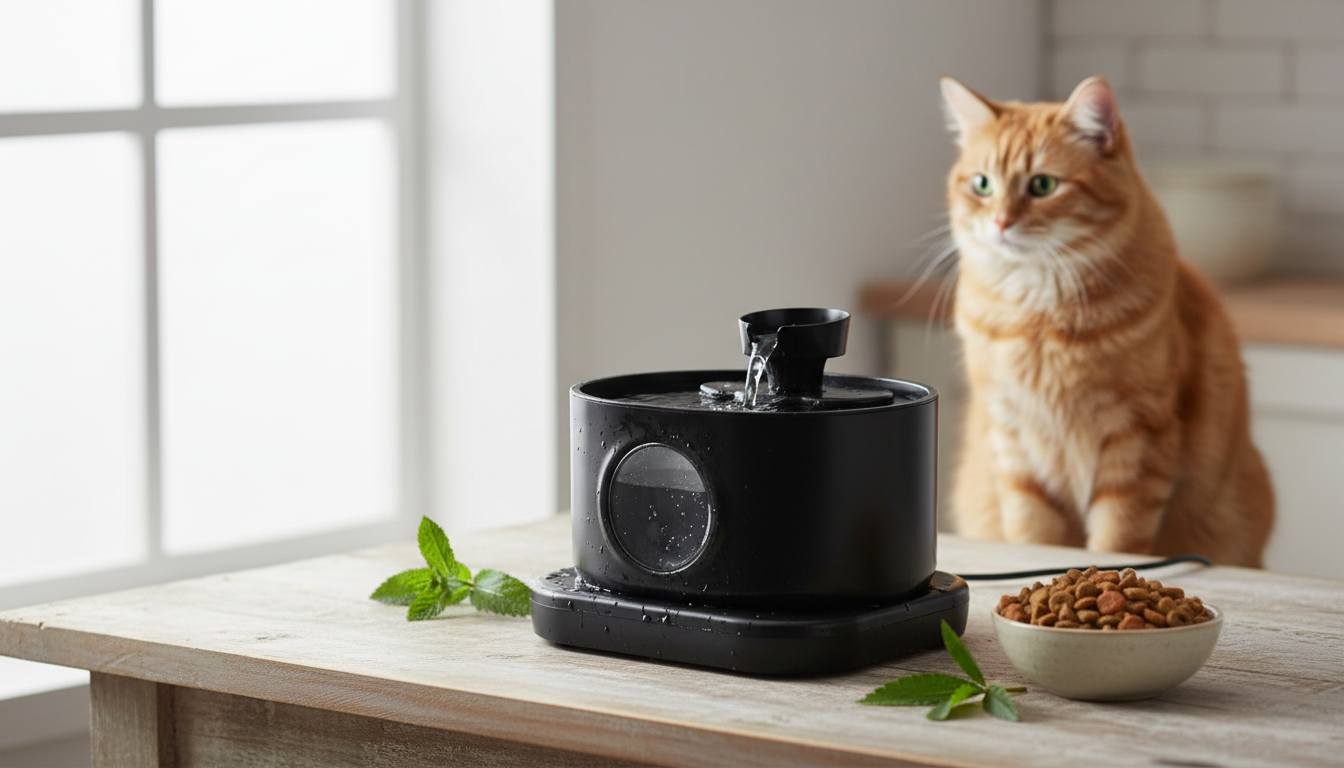
Why a 95oz Cordless Cat Water Fountain Fits Modern Homes
A cordless water fountain makes it easier to keep fresh water available without planning your entire setup around a wall outlet. With a 95oz reservoir and battery-powered operation, this style of fountain is designed for flexible placement, ultra-quiet performance, and steady circulation—useful for cats that ignore still bowls and for small dogs that do better with a consistent water station.
Hydration needs vary by pet, diet, and environment, so the best fountain is the one that stays convenient enough to use every day. A cordless design helps remove common friction points—cord clutter, outlet access, and worries about chewing—so the fountain is more likely to stay in service long-term.
What Makes a Cordless Fountain Useful
A battery-powered fountain can solve the everyday placement problems that come with plugged-in models. Instead of forcing the fountain into the one “safe” spot near an outlet, cordless operation opens up cleaner, quieter, and more pet-friendly locations.
- Flexible placement in kitchens, bedrooms, offices, RVs, or any area without a safe outlet nearby
- Reduced cable chewing risk and less clutter around feeding areas
- Battery power keeps water moving during short outages or when relocating the fountain
- Flowing water can be more enticing for picky drinkers than a still bowl
Capacity, Footprint, and Daily Routine
A 95oz capacity is a practical “middle ground” size: big enough to reduce refill frequency, while still being manageable to lift, rinse, and clean. For many homes, the real advantage is consistency—keeping the pump covered and water tasting fresh, even when life gets busy.
- 95oz capacity suits single-cat homes and can support multi-pet homes when refilled routinely
- A larger reservoir can mean fewer refills, but cleaning and filter changes still matter
- Place the fountain away from litter boxes and busy doorways to help keep water cleaner
- Refill timing depends on pet count, room temperature, and whether pets also eat wet food
Quick Sizing Guide for a 95oz Fountain
| Household | Typical refill cadence | Notes |
|---|---|---|
| 1 cat | Every 2–4 days | Monitor the first week to learn your cat’s drinking pattern |
| 2 cats | Every 1–3 days | Consider topping off daily to keep the pump well-covered |
| Cat + small dog | Daily to every 2 days | Higher turnover can help keep water fresher |
Noise Level and Cat Comfort
Quiet operation matters more than many people expect—especially with cautious cats, light sleepers, or homes where the best fountain spot is near a bedroom. “Ultra-quiet” performance is usually achieved through a combination of a stable pump, consistent water level, and a surface that doesn’t amplify vibration.
- Ultra-quiet operation supports skittish cats and makes bedroom placement more realistic
- Keep the water level above the minimum line to avoid pump noise caused by running low
- Rinse or replace filters as recommended to prevent restricted flow that can increase sound
- Set the fountain on a stable surface; vibration is often louder than the motor itself
If a fountain seems “randomly loud,” it’s often a simple fix: add water, re-seat the pump, wipe away slick biofilm, and place a thin mat underneath to reduce rattling.
Battery-Powered Performance and Placement Tips
Battery power makes placement easy, but it also introduces a new routine: charging on a schedule. A predictable cadence (rather than waiting for the battery to run down) helps keep water circulating and reduces the chance that your cat walks up to a silent fountain.
- Choose a location that allows easy refilling without moving the unit often
- Charge on a regular schedule so you avoid unexpected downtime
- If used on tile or wood floors, consider a waterproof mat to catch splashes
- For travel or temporary setups, keep a backup bowl available while charging
For cats that prefer privacy while drinking, a quiet corner with low foot traffic can be ideal—as long as it’s still convenient for you to maintain.
Water Quality, Filtration, and Cleaning Schedule
Circulation helps, but it doesn’t make water “self-cleaning.” Dust, fur, and tiny food particles can still enter the reservoir, and biofilm can build up in narrow channels over time. A simple routine keeps the fountain appealing and reduces the chance of odors or reduced flow.
For broader pet-care guidance and health resources, reputable references like the American Veterinary Medical Association (AVMA) and the Cornell Feline Health Center can be helpful starting points.
Safety and Best Practices
Pairing a Hydration Station with a Comfortable Home Setup
Shop Related Favorites In Stock
- 3-Level Modern Cat Tree with Scratching Pad, Cushions, Condo and Toy
- Gogo 1/6 BJD Doll with Big Head & Dimples
- Golf Cart Bag with 14-Way Divider
FAQ
How often should a cordless cat water fountain be cleaned?
A quick rinse and refill every few days helps keep water fresh, while a full wash about once a week is a solid baseline. In multi-pet homes, cleaning and filter changes may need to happen more often, and the pump/spout areas should be checked for buildup.
Why is the fountain getting louder over time?
The most common causes are low water level, a clogged or old filter, a pump that needs cleaning, or vibration from an uneven surface. Top off the water first, then rinse/replace the filter, clean the pump housing, and place the fountain on a stable mat to reduce rattling.
Is 95oz enough for two cats?
It’s usually workable with regular top-offs, but it depends on temperature, dry vs. wet food, and individual drinking habits. Watch the water level closely for the first week and adjust your refill routine so the pump always stays covered.







Leave a comment