Jet Burner Heat-Reactor Stove: Fast Boils for Trails
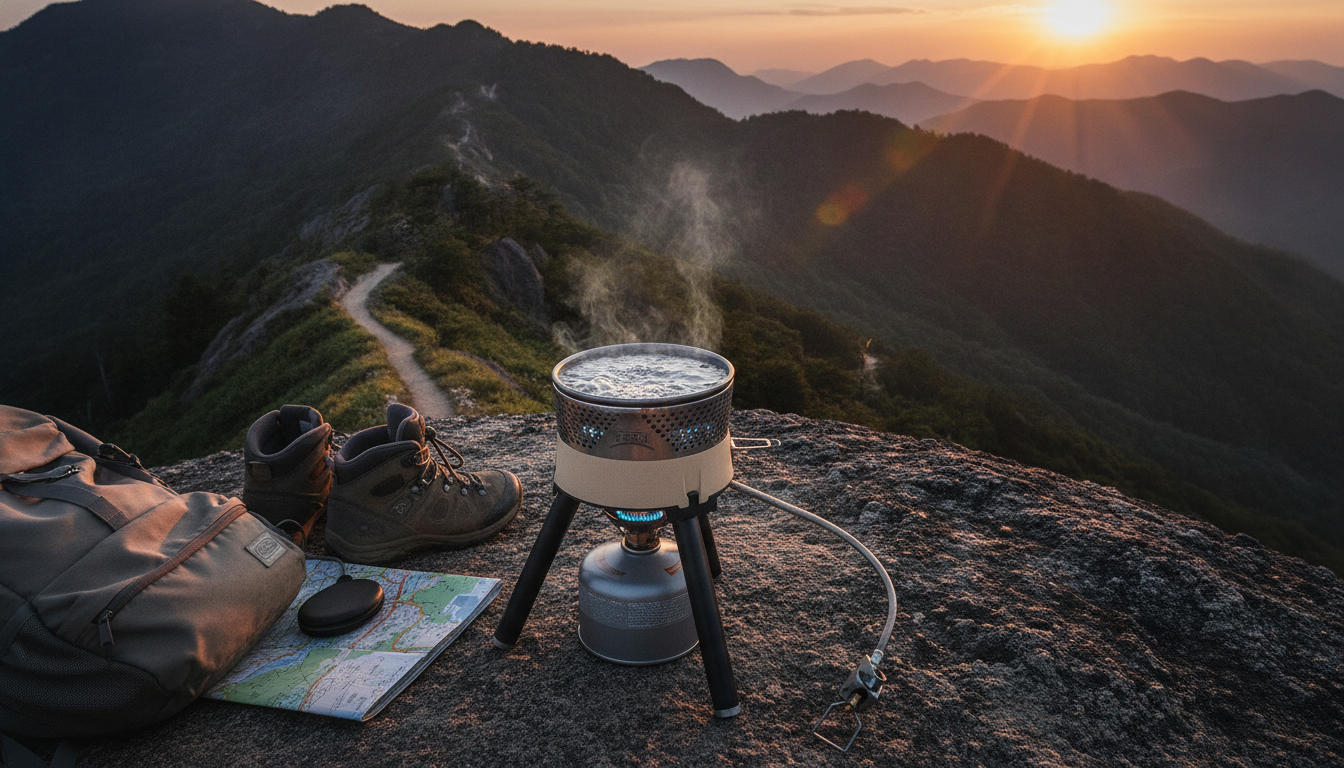
Portable Heat Reactor Cooking System – Jet Burner Stove for Camping & Backpacking
A portable heat-reactor jet burner system combines a high-output stove with a purpose-built pot designed to capture more heat than a standard backpacking setup. The payoff is simple: faster boil times, steadier performance when the breeze kicks up, and fewer wasted grams of fuel on campouts and backpacking trips. If most of your trail menu starts with “boil water,” this style of integrated cooking system can feel like upgrading from a lighter to a torch—controlled, efficient, and quick.
What a Heat-Reactor Jet Burner System Does Differently
Traditional canister stoves send a lot of heat around the sides of a pot, especially in wind. A heat-reactor system reduces that loss by pairing a concentrated burner flame with a heat-exchanger style pot base (often finned), which increases surface area and pulls more energy into the water.
- More heat captured, less flame wasted: The burner and pot interface is designed as a matched set, improving transfer efficiency.
- Built for rapid boiling: Great for coffee, oatmeal, soups, instant noodles, and dehydrated meals where speed matters.
- Better wind behavior than open-flame designs: The integrated design tends to shield the flame more effectively than a bare burner under a wide pot.
- Stability through integration: Many systems “lock” the pot to the burner, reducing the wobble you get with narrow pot supports (exact stability depends on the stand/support included).
- Pot size matters: Oversized cookware can reduce efficiency and may feel less stable—best results usually come from using the included pot.
Ideal Uses on the Trail and at Camp
These systems shine when the goal is quick, dependable hot water with minimal fuss. They’re especially handy when you’d rather spend time hiking (or resting) than tending a stove.
- Backpacking and fast-and-light trips: Quick boils mean less waiting and simpler meal timing.
- Car camping backup: A compact second stove for quick breakfasts, emergency meals, or hot drinks.
- Shoulder-season overnights: Cool air and gusty sites can make basic burners feel underpowered.
- Group hydration and drink prep: Efficient repeated boils for tea, cocoa, or multiple freeze-dried meals.
- Less ideal for long simmers: Unless your system offers reliable low-flame control and stable pan use, delicate sauces and slow-cooked meals can be frustrating.
| Scenario | Why it works well | Notes to consider |
|---|---|---|
| Freeze-dried meals | Fast boiling and efficient heat transfer | Use a cozy to keep meals hot and save fuel |
| Coffee/tea and hot drinks | Quick heat-up and repeat boils | Measure water to avoid overheating or waste |
| Windy campsites | Integrated design helps protect the flame | Add natural windbreaks; avoid fully enclosing the stove |
| Short overnight trips | Compact kitchen with fewer parts to manage | Plan fuel based on number of boils per day |
Key Features to Look For Before Packing It
Not all jet burner systems feel the same in real camp conditions. A few details can make the difference between a confident one-hand pour and a wobbly, splashy experience.
Fuel, Efficiency, and Trip Planning
Safety and Responsible Use Outdoors
- Use outdoors only in well-ventilated areas: Never operate inside a tent, vehicle, or enclosed shelter due to carbon monoxide risk. See the CDC guidance on carbon monoxide poisoning prevention.
- Choose a stable, non-flammable surface: Clear dry grass, pine needles, and loose debris from the setup area.
- Mind clothing and hands: Keep loose layers away from the burner and avoid reaching over the flame while igniting or adjusting.
- Check connections before lighting: Inspect threads and the gasket; stop immediately if you smell fuel.
- Follow fire restrictions: Some regions restrict stove use during extreme fire danger—check local notices such as the U.S. Forest Service fire restrictions and safety page.
- Leave no trace: Cook on durable surfaces and pack out waste in line with Leave No Trace principles.
Care, Cleaning, and Long-Term Storage
Portable Heat Reactor Cooking System: Quick Specs Snapshot
| Item | Detail |
|---|---|
| Product | Portable Heat Reactor Cooking System – Jet Burner Stove for Camping & Backpacking |
| Typical use | Boiling water and simple camp meals |
| Category | Portable cooking system |
| Price | 122.17 USD |
Other In-Stock Picks You Can Add to Your Kit
- 3-Level Modern Cat Tree with Scratching Pad, Cushions, Condo and Toy
- Golf Cart Bag with 14-Way Divider
- Gogo 1/6 BJD Doll with Big Head & Dimples
FAQ
Can a jet burner cooking system be used inside a tent vestibule?
No—use it only outdoors in open, well-ventilated areas. Burning fuel in enclosed or semi-enclosed spaces can cause dangerous carbon monoxide buildup, and it also increases fire risk near fabric and gear.
Is a heat-reactor pot only for boiling, or can it cook real meals?
It excels at boiling and rehydration, but simple cooking is possible if the stove offers steady flame control and your setup is stable. Choose meals that don’t require long simmers, and stir often to reduce scorching.
How much fuel should be packed for a weekend trip?
A useful rule is 2–3 boils per person per day, then add a buffer for wind, cold temperatures, or very cold starting water. Measuring water carefully and using a lid are two of the easiest ways to stretch a canister.






Leave a comment