22J Wide-Window IPL: Faster, Comfortable At-Home Hair Removal
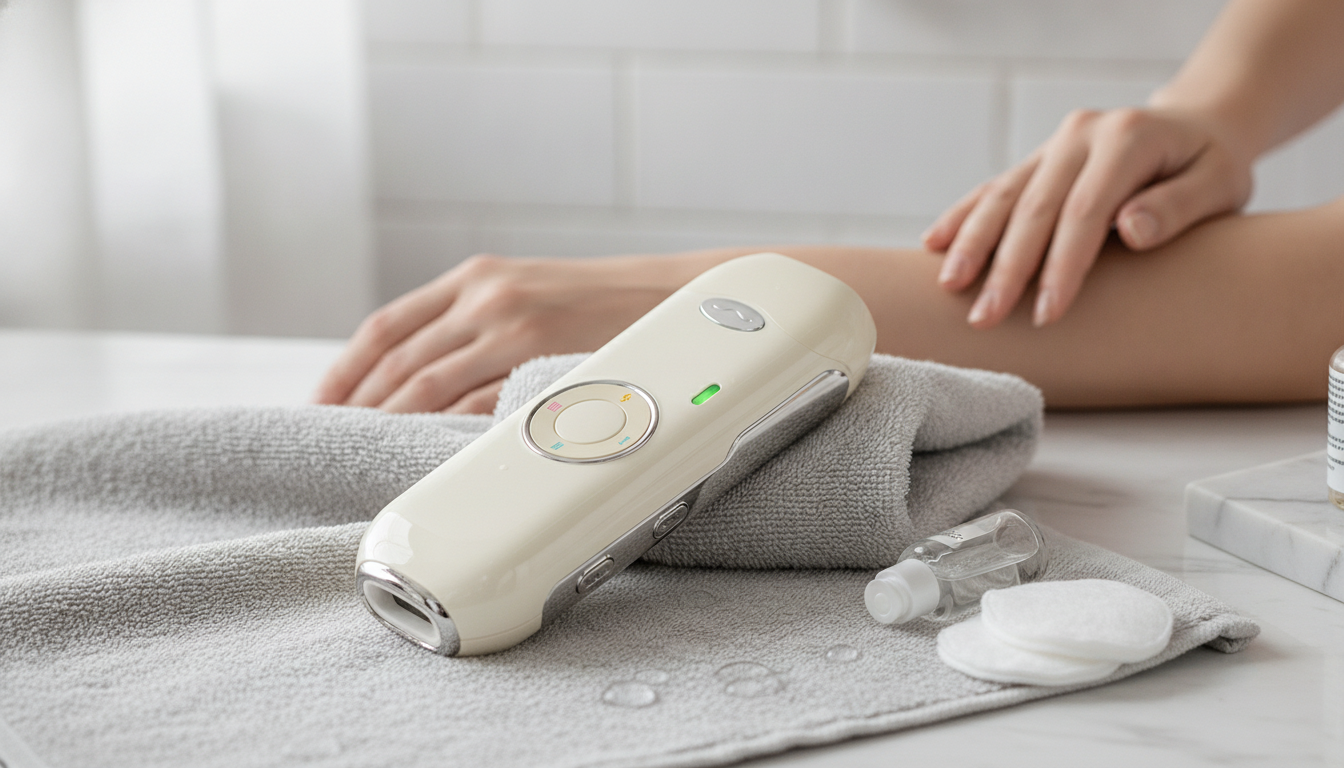
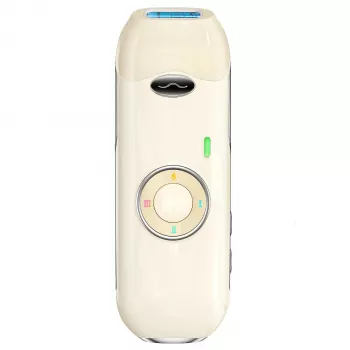
IPL Hair Removal Laser 22J with 5.2 in² Window & Painless Quick Flashes: Faster Sessions at Home
A higher-energy IPL device paired with a wide treatment window can make at-home sessions feel far more doable—especially on large areas like legs. This guide breaks down what “22J” energy and a 5.2 in² window mean for real routines, how IPL fits into a hair-reduction plan, and how to use it safely across common body areas. For more guidance, see Low-Energy Intense Pulsed Light for Hair Removal at Home – PMC.
What This IPL Device Is Designed to Do
IPL (intense pulsed light) uses broad-spectrum light to target pigment (melanin) in hair. When used on a schedule, that energy helps reduce regrowth over time. Unlike a one-and-done tool, IPL is built for repeated treatments and gradual progress—typically fewer shaving days, a smoother feel between shaves, and less noticeable regrowth in treated areas. For further reading, see 7 Best At-Home Laser Hair-Removal Devices We Tested – Glamour.
It’s important to separate at-home IPL from professional laser hair removal. IPL is not a single-wavelength medical laser; it generally requires more consistency and patience, and results depend heavily on your hair-growth cycle and sticking to the routine. For general background on how light-based hair removal works and what to expect, see the American Academy of Dermatology Association overview.
Key Features That Affect Speed and Comfort
Three specs matter most for day-to-day use: the device’s energy output, the size of its treatment window, and how quickly it can flash. A higher energy option like 22J can be helpful for suitable skin/hair combinations, while a wide 5.2 in² window reduces how many times you need to place the device on the skin. “Quick flashes” means less waiting between pulses—often the difference between a session you finish and one you put off.
How the Specs Translate to Everyday Use
| Feature | What it means | Where it helps most | Practical tip |
|---|---|---|---|
| 22J energy | More light energy delivered per flash | Stubborn regrowth areas (when appropriate) | Start lower, increase gradually as tolerated; avoid irritation from jumping too fast |
| 5.2 in² window | Wider coverage per placement | Legs, arms, chest/back | Use a simple grid pattern to avoid missed strips |
| Quick flashes | Less waiting between flashes | Full-body sessions | Maintain full skin contact for consistent triggering |
| Comfort-oriented use | Less sting when used correctly | Sensitive zones (outer bikini line, underarms) | Shave first; don’t use on sunburned or freshly tanned skin |
Who Typically Gets the Best Results (and Who Should Skip IPL)
IPL tends to work best when there’s clear contrast between hair and skin—typically darker hair on lighter-to-medium skin tones—because the light needs pigment to “find” the follicle effectively. Very light hair (blonde, grey, or red) often responds poorly due to limited melanin.
For very dark skin tones, IPL can carry a higher risk of burns or unwanted pigmentation changes because more light may be absorbed by the surrounding skin. Always follow device guidance, use conservative settings, and patch test. Avoid flashing over tattoos, and steer clear of areas with active irritation, open skin, or pigmented spots you can’t safely avoid. If you’re pregnant, taking photosensitizing medications, or managing certain skin conditions, consider clinician guidance before starting. For general safety context on light/laser products, reference the U.S. Food & Drug Administration information on laser products.
How to Use a Wide-Window IPL Device Efficiently
1) Prep for better targeting
Shave the area 12–24 hours before treatment so the light energy can focus below the surface rather than burning surface hair. Skip waxing or plucking, which removes the target (the hair root) IPL needs to work effectively.
2) Clean and dry skin only
Remove deodorant, lotions, oils, makeup, and sunscreen before flashing. Residue can increase irritation risk and interfere with consistent contact.
3) Patch test before you commit
Try a small area at a low intensity level and wait 24 hours. Mild redness that resolves quickly can be normal; lingering irritation means you should reduce intensity or pause.
4) Use a “row-by-row” technique
Place the 5.2 in² window flat against the skin and move in tidy rows. The goal is full coverage without heavy overlap—think “just enough” alignment to avoid gaps rather than repeatedly hitting the same strip.
5) Keep a schedule, then switch to maintenance
Many routines start with weekly sessions for several weeks, then taper to less frequent touch-ups. Consistency matters more than marathon sessions.
6) Aftercare for calmer skin
Moisturize, avoid hot showers/saunas right after, and use sun protection on exposed areas. Sunburned or freshly tanned skin should not be treated.
Area-by-Area Routine Suggestions
Legs
Underarms
Bikini line
Face (only if device labeling permits)
Arms and torso
Safety Practices That Matter Most
What to Expect Over Time
Product Details and Where to Get It
- IPL Hair Removal Laser 22J with 5.2 in² Window & Painless Quick Flashes — $56.67 (In stock)
- USB/XLR Dynamic Microphone for Podcasting, Gaming, Streaming & Recording — $63.51 (In stock)
FAQ
How often should IPL be used at the start?
Many routines begin with weekly sessions for the first several weeks, then taper to maintenance once regrowth slows. Follow the included device instructions for exact timing and adjust based on how your skin tolerates treatments.
Does IPL hurt with higher energy levels like 22J?
Sensation varies by area and setting, but many people describe mild warmth or a quick snap. Start at a lower level, patch test, shave beforehand, and avoid treating sunburned or freshly tanned skin to keep it more comfortable.
Can IPL be used on the bikini area and underarms?
These are commonly treated if the device labeling allows it, but they can be more sensitive than legs or arms. Use lower settings at first, keep skin taut, move slowly, and avoid mucosal areas entirely.









Leave a comment