27mm F2.8 AF Prime for Sony APS-C: Everyday 40mm Look
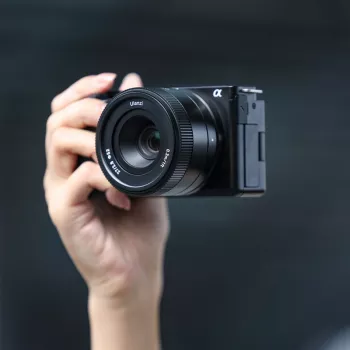
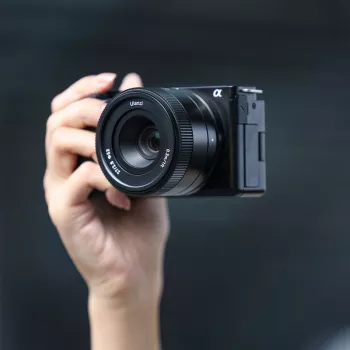
27mm F2.8 Auto Focus: the “always-on” prime for Sony APS-C
A compact 27mm F2.8 autofocus prime can be the “leave-it-on” lens for Sony APS-C mirrorless bodies—small enough for everyday carry, fast enough for indoor scenes, and versatile enough for street, travel, and casual portraits. With a natural field of view on APS-C (similar to a 40mm look on full frame), this focal length sits between wide and normal, making it easy to frame people, details, and environments without feeling too tight or too wide. For more guidance, see Sony FE 28-70mm F3.5-5.6 review.
Why a 27mm prime works so well on Sony APS-C
On Sony APS-C, 27mm lands in a sweet spot: it’s flexible without being fussy. It’s the kind of focal length that handles a morning coffee run, a weekend market, and a quick family photo without requiring constant lens changes. For further reading, see Nikon J1 Review: A Field Report.
- Balanced perspective: a comfortable everyday view for walkaround shooting, cafés, markets, and city scenes.
- Easy composition: less edge stretching than ultra-wides, while still giving context around the subject.
- Lightweight setup: encourages bringing the camera more often, which matters more than minor spec differences.
- Natural for video: the angle of view is practical for handheld clips without extreme wide-angle distortion.
Key highlights to look for in a compact autofocus prime
Small primes can vary a lot in feel and usability. Beyond focal length and aperture, the everyday experience comes down to autofocus behavior, close-focusing, and how confidently the lens handles mixed lighting.
- Autofocus performance: reliable single-shot AF for stills, plus smooth, low-hunting behavior for casual video.
- F2.8 aperture: helpful for indoor light and subject separation while keeping the lens compact.
- Close focus ability: makes it easier to capture food, products, and detail shots while traveling.
- Controls and handling: a focus ring with consistent resistance and predictable manual override if supported.
- Coatings and flare control: important for backlit street scenes and night lights.
| Feature | What it helps with | When it matters most |
|---|---|---|
| 27mm focal length (APS-C) | Natural framing with context | Street, travel, family photos |
| F2.8 aperture | More light and softer backgrounds | Indoors, evenings, cafés |
| Autofocus | Faster capture of moments | Kids, pets, candid scenes |
| Compact prime design | Carry comfort and discretion | All-day walking, commuting |
| Prime lens simplicity | Consistent look and composition habit | Learning composition, quick shooting |
Compatibility checklist for Sony mirrorless APS-C cameras
Before buying any autofocus lens, it’s worth confirming basic compatibility details so autofocus, exposure, and camera features behave as expected.
- E-mount confirmation: ensure the lens supports Sony E-mount APS-C bodies (such as the α6000-series and other E-mount cameras).
- Firmware updates: keep the camera firmware current for the best stability and lens communication. Sony’s support pages are a good starting point: Sony Support — Interchangeable Lens Camera Help Guide.
- Video needs: for vlogging or casual clips, test continuous AF behavior and how quickly it transitions between subjects.
- Stabilization notes: many Sony APS-C bodies rely more on technique than in-body stabilization; plan on higher shutter speeds when light drops.
For a broader overview of how lenses fit into the system, see: Sony — E-mount system overview.
Image quality expectations at F2.8 and stopped down
With a compact 27mm F2.8, the most practical expectation is consistent everyday sharpness with an easy-to-manage rendering style. You’ll often get the best overall “snap” by slightly stopping down when the scene allows.
- Sharpness: center sharpness is typically strong for daily subjects; stopping down can improve edge detail for architecture and landscapes.
- Background blur: blur is moderate at this focal length; subject-to-background distance often matters more than aperture alone.
- Low light clarity: steady posture and shutter speed management do more than chasing ultra-fast apertures.
- Backlit scenes: a hood (if available) helps, and careful framing reduces flare when shooting toward bright sources.
Autofocus and real-world use
Autofocus is where a compact prime can feel either effortless or frustrating. In real life, the goal isn’t just speed—it’s confidence that focus lands where intended, especially with people and movement.
Best uses: street, travel, daily life, and casual portraits
Tips for getting the most out of a compact 27mm F2.8
What comes in the box and how to set it up
In-stock picks
- 27mm F2.8 Auto Focus Lens for Sony Mirrorless APS-C Cameras — an easy walkaround focal length with a compact profile.
- Small Half Moon Leather Bag — a neat carry option for a small body-and-lens setup.
- 31.5″ Large Round Decorative Mirror — a handy prop for creating cleaner bounce light and simple product-style setups at home.
FAQ
What does 27mm look like on a Sony APS-C camera?
On Sony APS-C, 27mm gives a field of view similar to about 40mm on full frame, which feels natural and “everyday.” It sits between wide and normal, so it captures context without exaggerating perspective.
Is F2.8 enough for low light and background blur?
F2.8 is often enough for indoor and evening scenes, especially if you’re comfortable raising ISO and keeping shutter speed high enough for sharp shots. Background blur is moderate at 27mm; you’ll see the biggest difference by getting closer to the subject and keeping the background farther away.
Will autofocus work for video and face/eye detection?
Autofocus for video and face/eye detection depends on the camera body and settings, so updating firmware and enabling the right AF modes is important. Test AF-C in the lighting you actually shoot in to confirm transitions are smooth and not overly “hunt-y.”








Leave a comment