120dB Wireless Siren: Indoor/Outdoor, Battery + Solar
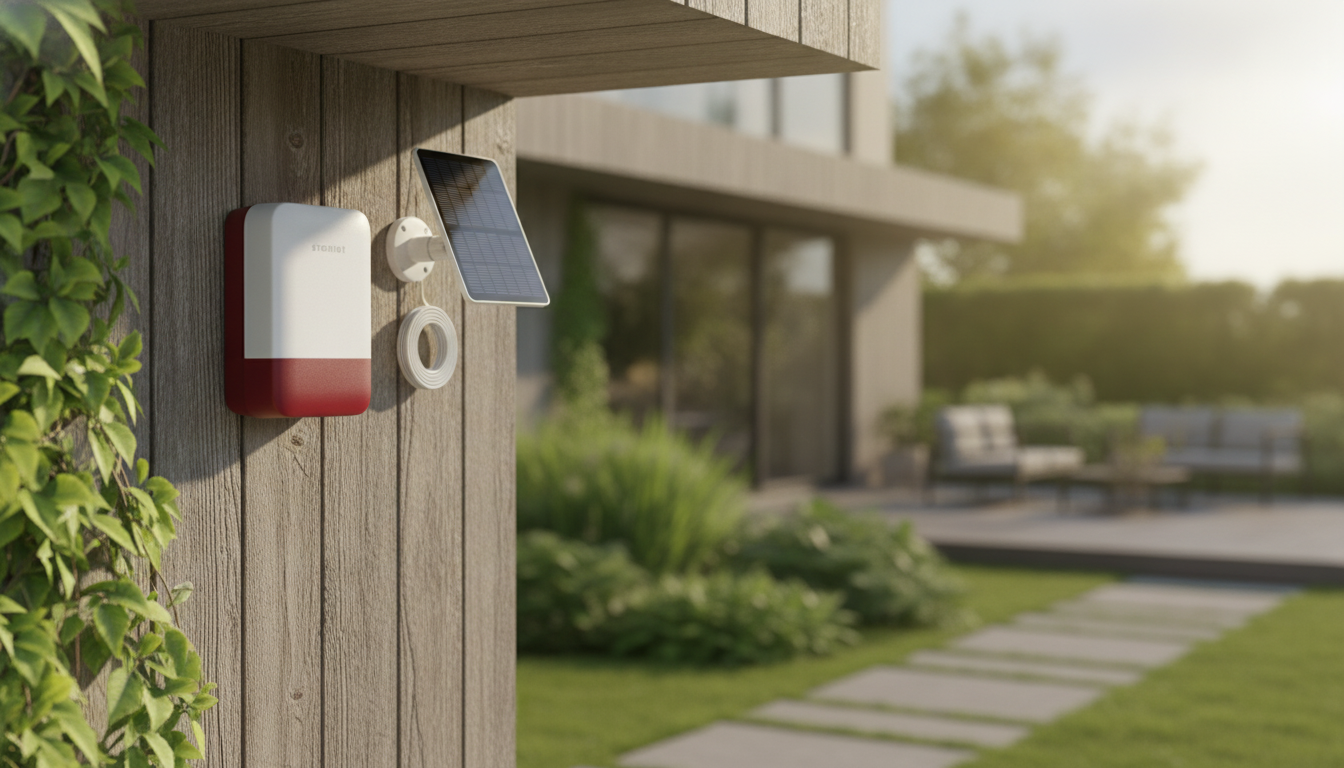
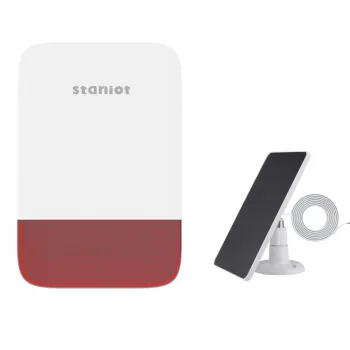
120dB Wireless Indoor/Outdoor Siren Alarm with Battery Backup & Solar Option
A high-output siren can deter intruders, alert neighbors, and add an extra layer of security to homes, garages, sheds, and job sites. This wireless siren is built for flexible placement indoors or outdoors, with battery backup for outages and an optional solar charging path for longer-term readiness.
What this siren does well
- Delivers a loud audible alert designed to be heard across a property and through typical exterior barriers.
- Works for both indoor and outdoor scenarios, supporting wall or structure mounting where sound carry is best.
- Wireless operation simplifies placement and reduces the need for running cables through walls or soffits.
- Battery backup helps maintain operation when primary power is interrupted.
- Solar option can reduce maintenance and improve uptime in detached locations (sheds, gates, barns, workshops).
For shoppers looking to add a dedicated, attention-grabbing alarm output, the 120dB Wireless Indoor/Outdoor Siren Alarm with Battery Backup & Solar Option is designed to be a simple, practical add-on to a broader security approach.
Where a 120dB siren fits in a home or small property plan
- Primary goal: attention and deterrence—rapidly signaling that an alarm condition is active.
- Best used as an add-on to sensors (door/window, motion) or a hub-based alarm system that can trigger a siren.
- Useful in areas where phone notifications may be missed (garages, backyards, workshops).
- Helps cover “quiet entry” risks where an intruder tries to avoid noise by using back doors, side gates, or basement access.
A loud siren is especially helpful when distance or environment reduces awareness: power tools running in a workshop, a TV on indoors, or a property layout where the back gate sits far from the main living area. In those cases, an audible alert can push an incident from “noticed later” to “noticed now,” which is often the difference between a quick response and an unresolved problem.
Power options: battery backup and solar support
- Battery backup keeps the siren available during outages and when power is intentionally cut.
- Solar support is most helpful for detached placements or locations without convenient outlets.
- For solar setups, choose a spot with consistent daylight exposure and avoid deep eaves that shade the panel.
- In colder climates, check charge performance seasonally and keep the solar surface clean to maintain charging efficiency.
- If using a mixed power approach, test alarm activation after any power change to confirm seamless fallback behavior.
Battery backup isn’t just about storms. A security device that stays active when a breaker trips, a GFCI outlet resets, or power is interrupted adds real resilience. If solar support is used, think of it as a way to reduce maintenance and increase readiness in hard-to-reach spots—not as a reason to skip testing.
Placement tips for indoor and outdoor mounting
Outdoor mounting guidance
- Mount high enough to reduce tampering, but not so high that the sound is blocked by soffits or rooflines.
- Aim the siren opening toward open air or the approach path (driveway, gate, side yard) to improve audibility.
- Keep distance from sprinkler heads, direct rain runoff, and heat vents to reduce wear and improve reliability.
Indoor mounting guidance
- Avoid mounting directly next to bedrooms if false alarms are possible; use distance and direction to balance awareness and comfort.
- For indoor placement, choose central hallways or stairwells where sound travels to multiple rooms.
Before drilling, do a real-world walk test: stand at the property edges, inside closed rooms, and near common “approach points” (side door, back gate) to confirm the siren is positioned for maximum usefulness. If your system relies on a wireless trigger, test the signal at the exact mounting location—not just near the hub.
Quick setup checklist
- Confirm what will trigger the siren (alarm hub, receiver, or paired transmitter) before permanent mounting.
- Charge/initialize the battery, then perform an activation test at the planned mounting spot to verify signal reach.
- Secure mounting hardware to a stable surface (studs, masonry anchors, or appropriate exterior fasteners).
- Label the device location and note the test procedure for anyone in the household.
- Schedule a monthly test and a seasonal inspection (especially for outdoor and solar-exposed installs).
Everyday scenarios where it helps most
At-a-glance specifications and fit
| Feature | What to look for | Why it matters |
|---|---|---|
| Sound output | Up to 120dB | Higher output increases audibility outdoors and through doors/windows |
| Placement | Indoor/Outdoor capable | Allows coverage in garages, sheds, patios, and interior hallways |
| Power resilience | Battery backup | Helps keep protection during outages or deliberate power cuts |
| Extended uptime | Solar option | Reduces recharging frequency in detached or hard-to-reach locations |
| Installation | Wireless mounting | Less drilling/routing; easier to position for best sound carry |
Maintenance and testing habits that prevent surprises
Safety notes for high-decibel devices
For general guidance on protecting hearing around loud sounds, review NIOSH noise and hearing loss prevention resources. For broader safety and standards context across alarm and safety equipment, see UL Solutions and home safety resources from the NFPA.
Related in-stock picks
- 120dB Wireless Indoor/Outdoor Siren Alarm with Battery Backup & Solar Option (In stock)
- Colorful Tropical Plant Area Rug (In stock)
FAQ
How loud is 120dB in practical terms?
120dB is extremely loud and can be heard at long distances depending on wind, obstacles, and building materials. Keep tests brief, and avoid standing close to the siren while it’s sounding.
Will a solar option work in partial shade or winter months?
It can, but charging depends heavily on available sunlight hours and a clean, unobstructed panel surface. Partial shade reduces output, so battery backup remains important and occasional manual charging or more frequent testing may be needed.
Where should an outdoor siren be mounted for the best deterrent effect?
Mount it in an elevated, tamper-resistant position facing open areas or likely approach paths, and avoid locations where soffits or walls block the sound. Test wireless signal reach and audibility at the exact spot before final mounting.








Leave a comment