90KPa Dual-Pump Vacuum Sealer: Faster Seals, Less Freezer Burn
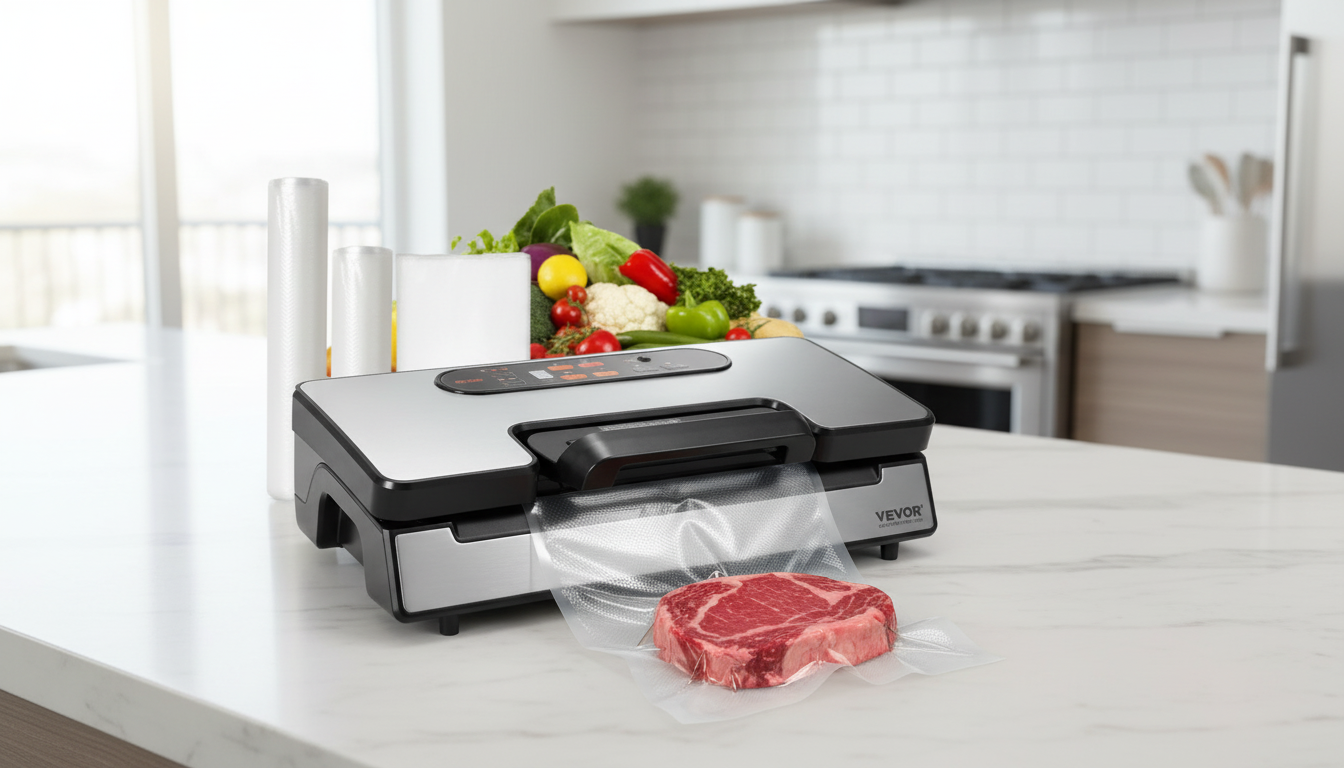
Powerful 90Kpa Vacuum Sealer Performance: What Dual-Pump Suction Means for Everyday Storage
A high-suction vacuum sealer rated in the 90Kpa class is built to pull air out fast and clamp down on freshness—especially when you’re portioning proteins, prepping freezer meals, or sealing pantry staples into smaller, “open less often” packs. With a dual-pump style design, suction can feel steadier during repeated seals, which is helpful when you’re working through a batch of groceries instead of sealing just one bag at a time.
If you’re stocking up on meats, freezing seasonal produce, or cooking sous vide regularly, the biggest day-to-day advantage is simple: less air left behind means less oxidation and less freezer burn risk. For safe storage timelines and handling basics, it also helps to follow guidance from sources like the USDA FSIS and the FDA.
What a 90Kpa Dual-Pump Vacuum Sealer Changes in Daily Food Storage
- Faster air removal for common tasks like portioning meats, sealing leftovers, and protecting produce in the fridge.
- Steadier suction during longer sessions, which can help when you’re sealing multiple bags in a row (meal prep, bulk shopping, or freezer restocks).
- More consistent results with thicker or moisture-heavy foods when paired with the right prep steps (pat dry, short pre-freeze, or pulse control if your model supports it).
- Reduced freezer burn risk by limiting air exposure and ice crystal formation on stored foods.
Best Uses: Freezer, Fridge, Pantry, Meal Prep, and Sous Vide
- Freezer: portion steaks, chicken thighs, ground meat bricks, and fish fillets; label and freeze flat for faster thawing and better stacking.
- Fridge: extend freshness for marinated proteins and pre-cut vegetables by limiting oxygen exposure (and keeping strong-smelling foods contained).
- Pantry: keep coffee beans, nuts, flour, and snacks crisp; seal in smaller packs to reduce repeated opening and humidity exposure.
- Meal prep: seal single servings of cooked grains, shredded meats, or chopped veggies for grab-and-go weeks and easier portion control.
- Sous vide: use heat-safe vacuum bags and leave adequate headspace so the seal line stays clean and strong throughout the cook.
How to Seal Different Foods Without Weak Seals or Crushed Ingredients
Strong suction is only half the story—clean seal lines and smart prep are what keep bags from leaking later. The goal is to keep moisture, crumbs, and powder away from the sealing edge while giving the machine enough bag “real estate” to pull a stable vacuum and weld a flat seam.
- Dry foods (nuts, cereal, crackers): leave extra headspace; avoid crumbs near the seal bar by folding the bag edge outward while filling.
- Moist foods (raw meats, cut fruit): pat surfaces dry and keep the seal area clean; consider a short pre-freeze to prevent liquid from being pulled into the vacuum channel.
- Marinades and saucy foods: chill first; pre-freeze on a tray until the liquid thickens; seal quickly to prevent moisture creep.
- Soft foods (berries, pastries): use gentler vacuum modes if available, or pre-freeze to protect shape and prevent crushing.
- Powders (flour, spices): pre-chill and avoid overfilling; keep the sealing edge free of dust so the weld can fully bond.
Food Prep Tips for Cleaner, Stronger Seals
| Food type | Common issue | Simple fix | Storage note |
|---|---|---|---|
| Raw meat/fish | Liquid reaches seal line | Pat dry or pre-freeze 20–40 minutes | Freeze flat; thaw in fridge |
| Marinated items | Sauce gets pulled into machine | Chill marinade; pre-freeze to slush consistency | Double-seal for long storage |
| Berries/bread | Crushing | Pre-freeze or use gentle/pulse vacuum | Store in single layers |
| Crackers/chips | Crumbs prevent sealing | Fold top edge while filling; wipe seal area | Use smaller packs to reduce opening |
| Flour/spices | Powder gets sucked upward | Do not overfill; tap bag to settle; vacuum gradually | Seal and store away from heat |
Using the Included Food Storage Bags: Fit, Headspace, and Double-Seal Habits
Included bags are convenient, but technique matters. Most suction-style sealers work best when the bag’s textured/embossed side is oriented to allow airflow toward the vacuum channel. If you notice weak vacuum, it’s often a bag-position issue rather than a machine limitation.
Care and Maintenance That Keep Suction Strong
Troubleshooting: Leaks, Wrinkles, and Incomplete Vacuum
When a 90Kpa Dual-Pump Model Makes Sense
In-Store Picks
- Powerful 90Kpa Vacuum Sealer Machine with Dual Pump & 10 Food Storage Bags
- 3-Level Modern Cat Tree with Scratching Pad, Cushions, Condo and Toy
- Golf Cart Bag with 14-Way Divider
FAQ
How strong is 90Kpa suction for a vacuum sealer?
In practical terms, 90Kpa-class suction is considered high for home vacuum sealing, helping remove air faster and more thoroughly. That typically translates to better-looking seals and more reliable results with thicker or slightly moist foods when the seal area is kept clean and dry.
Can moist foods be vacuum sealed without pulling liquid into the machine?
Yes—pat food dry, chill it first, and pre-freeze liquids or marinades until they’re thick or slushy before sealing. Keeping the seal edge clean and using a gentler/pulse approach when available also helps prevent moisture from creeping into the vacuum channel.
Why does a vacuum-sealed bag lose its seal in the freezer?
Common causes include tiny pinholes from bones or sharp edges, wrinkles across the seal line, or crumbs/oil preventing a full weld. Using extra headspace, smoothing the bag before sealing, protecting sharp spots, and double-sealing usually fixes the issue.







Leave a comment